
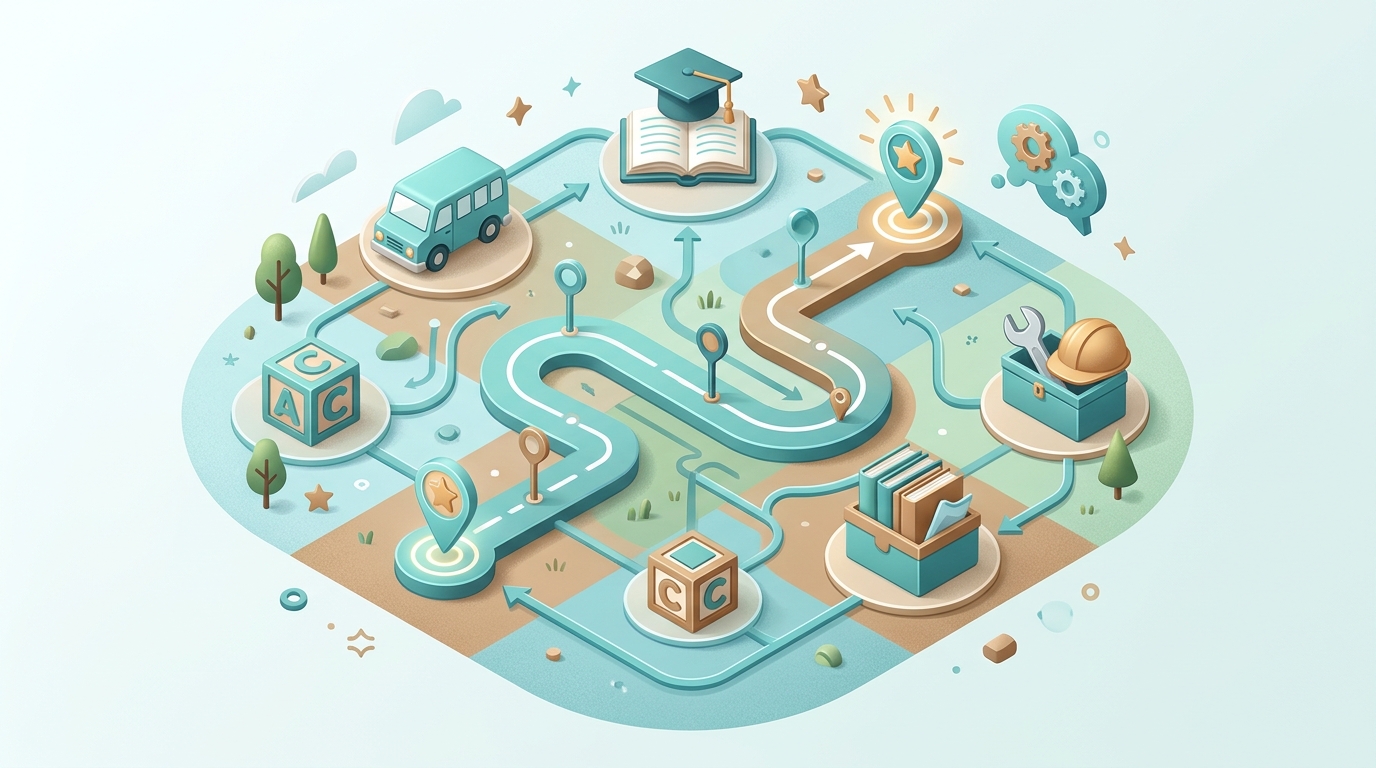
Successful workforce development is about more than enrolling in a class or beginning a work experience. People are more likely to stay engaged when they have coordinated guidance, practical training, meaningful opportunities to apply their skills, and connections to trusted community resources. Supportive services help make that full picture possible.
At the Native Professional Advancement Center (NPAC), also known as the National Indian Youth Council, we recognize that career progress does not happen separately from the rest of a person’s life. For Indigenous communities, workforce development can be a pathway toward Native empowerment, stronger families, and long-term economic self-sufficiency—but only when participants have support to navigate the challenges that may arise along the way.
Progress Can Be Interrupted Outside the Classroom
A participant may be motivated, capable, and ready to build new skills, yet still face circumstances that make it difficult to attend training consistently or remain focused at a worksite. Transportation challenges, changing family responsibilities, limited access to reliable technology, scheduling conflicts, or an unexpected personal situation can all affect participation.
These barriers are not a reflection of someone’s potential or commitment. They are real-life circumstances that can make even a promising opportunity feel out of reach without the right guidance. A missed class, delayed paperwork, or difficulty getting to a job site can quickly become discouraging when a person does not know where to turn.
That is why supportive services are essential rather than optional. They help participants identify obstacles early, consider practical next steps, and remain connected to their goals.
Support Begins With Listening
Effective support is not one-size-fits-all. Each participant brings different strengths, goals, responsibilities, and experiences. A respectful conversation can help clarify what success looks like for that individual and what may be getting in the way.
Coordinated guidance gives participants a consistent point of contact as they move through training, work experience, and career planning. It can include checking in on progress, helping a participant prepare for the next step, sharing information about available resources, or simply creating space to talk through a challenge before it becomes a reason to step away.
At NPAC, this person-centered approach keeps the focus on possibility. Participants are not defined by a barrier; they are supported as they make decisions, build confidence, and continue moving forward.
Training and Work Experience Work Better Together
Classroom learning is an important part of workforce development, but knowledge becomes even more powerful when participants can put it into practice. Hands-on work experience allows people to strengthen technical abilities, communication, time management, problem-solving, and professional confidence in a real-world setting.
When training and work experience are coordinated, participants can better see how today’s learning connects to tomorrow’s opportunities. Someone developing digital skills, for example, may gain a clearer sense of how those skills apply in an office, a creative project, a community organization, or a business environment. Film and media training can likewise open practical avenues for storytelling, communication, and creative professional growth.
Supportive services help bridge the space between learning and doing. They can help participants stay organized, prepare for workplace expectations, reflect on what they are learning, and identify the next opportunity that fits their goals.
Community Partnerships Expand the Circle of Support
No single program can meet every need alone. Strong workforce development depends on relationships among participants, worksites, educators, community organizations, and referral partners. Each relationship adds knowledge, opportunity, and encouragement to the participant’s journey.
Worksites play a particularly important role by offering environments where participants can learn, contribute, and gain experience. Referral partners may help connect individuals with resources or opportunities that align with their needs. Community organizations can help strengthen the network of support surrounding a participant.
As an Albuquerque, New Mexico-based Native American nonprofit, NPAC values partnerships that respect Indigenous communities and recognize the strengths participants already bring. Working together creates a more responsive pathway from training to experience to career growth.
Workforce Development Is Also Community Development
When individuals have opportunities to develop skills, gain work experience, and pursue meaningful career goals, the impact reaches beyond one person. It can support families, strengthen local organizations and businesses, and contribute to broader economic development.
For Native communities, this work is closely connected to self-determination. Economic self-sufficiency means having greater capacity to make choices, support loved ones, and invest time and talent back into the community. Native empowerment grows when people have access to tools, relationships, and opportunities that honor their goals and lived experiences.
NPAC’s workforce development efforts are part of a larger commitment to education, community advocacy, cultural empowerment, and civic leadership. Whether someone is exploring an early career path, returning to training, or seeking a new professional direction, support can help turn opportunity into sustained progress.
Keeping Participants on Track
Staying on track does not mean that every path will be linear. It means participants have a team and a plan when circumstances change. Clear communication, regular check-ins, realistic goal-setting, and timely connections to community resources can make a meaningful difference.
Participants can help by asking questions early, sharing changes that may affect their schedule, and staying connected with program staff. Worksites can support success by providing clear expectations, patient supervision, and feedback that recognizes growth. Referral partners can help by making warm connections and sharing accurate information about opportunities and resources.
When everyone works together, participants are more likely to feel welcomed, prepared, and supported throughout the process.
FAQ
What are supportive services in workforce development?
Supportive services are the guidance, connections, and practical assistance that can help a participant engage in training and work experience. The specific support available varies by program and participant needs.
Why can barriers outside a program affect participation?
Daily responsibilities and unexpected challenges can affect attendance, focus, communication, and access to a training location or worksite. Addressing barriers respectfully can help participants remain connected to their goals.
How do work experience opportunities support career growth?
Work experience gives participants a chance to apply skills in a professional setting, learn workplace expectations, build confidence, and better understand potential career paths.
Why are community partnerships important?
Community partnerships bring together different sources of knowledge, resources, and opportunity. They help create a stronger support network for participants while connecting worksites and referral partners to community-centered workforce development efforts.
How can participants, worksites, and referral partners get involved?
Participants who want to explore workforce development opportunities, worksites interested in supporting hands-on learning, and referral partners seeking to connect community members with NPAC are encouraged to reach out. Together, we can build practical pathways toward skills, opportunity, Native empowerment, and economic self-sufficiency.